
Shag Balls 101: The Savvy Golfer’s Secret to Massive Savings & Better Practice
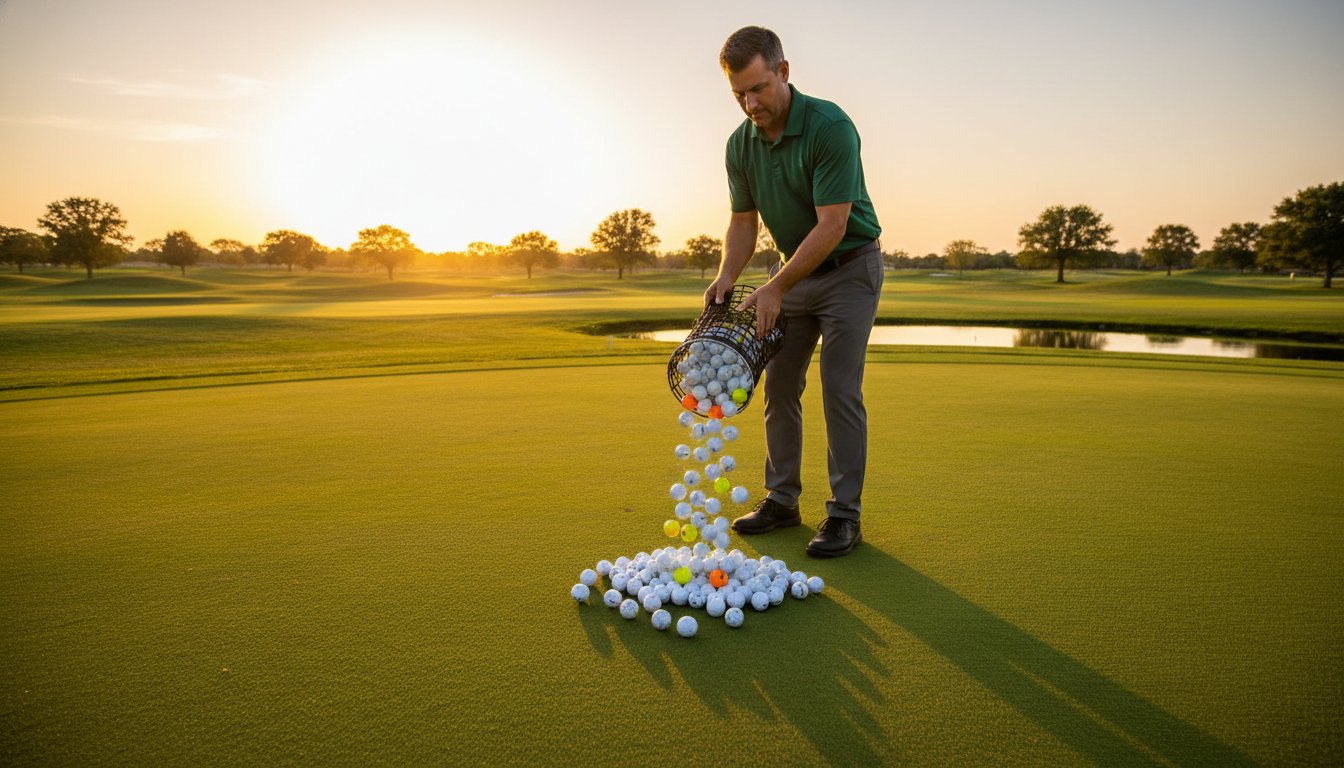
Stop treating your golf balls like fragile heirloom jewelry. In 2026, dropping $65 on a dozen premium balls just to watch them vanish into the tall grass isn’t just frustrating; it’s a bad tactical move for your budget. You need high-volume reps to get better, but high-priced gear makes every practice swing feel like a financial risk. That is why shag balls are the ultimate secret weapon for the smart player. They allow you to grind out sessions without the per-ball anxiety that kills your focus.
We get it. You want to improve, but the rising cost of range buckets and retail boxes makes it feel like golf is only for the elite. You deserve a pro-level practice routine that doesn’t cost a car payment. We are here to show you how to transform your game by leveraging secondary-market gear. You will learn the real difference between hit-aways and mint balls, how to save over $440 a year on your equipment, and why the Monkey has personally vetted these as the smartest play for 2026. Let’s build a practice bag that actually works for you.
Key Takeaways
- Stop draining your wallet on every practice session. Learn how shag balls provide the high-repetition training you need to shave strokes off your game.
- Understand the technical edge of using real multi-layer balls over restricted-flight range buckets. Get the authentic feedback your swing deserves.
- Master the “Block Practice” method used by the pros. We show you how to build a high-volume routine that builds muscle memory fast.
- Shop with confidence by decoding professional grading scales. Learn the secret difference between a “hit away” ball and a “junk” ball before you buy.
What Are Shag Balls? Defining the “Hit Away” Phenomenon
Don’t call them trash. In the world of high-performance golf, shag balls are the unsung heroes of the practice green. They are the tactical workhorses of your bag; playable, reliable, but visually “experienced.” While some might see a scuff or a bit of tan on the cover, a savvy player sees a high-repetition opportunity. These balls aren’t destined for the trophy case; they’re built for the grind. Understanding what shag balls are starts with recognizing their utility over their aesthetics. They are reclaimed assets that have been rescued from water hazards and woods, cleaned up, and ready for another round of duty.
Pros and professional divers often refer to these as “Hit Away” balls. The logic is simple. You can step up to a field or a backyard net and just swing. There is no anxiety about losing a five-dollar ball in the tall grass. You hit it, you forget it, and you move on to the next rep. The typical mix in a bag of these includes legends of the game like Titleist Professionals, along with sturdy distance kings like Pinnacles and Top Flites. They represent the history of the course in a single mesh bag. The name itself comes from the act of “shagging” the balls, which is the traditional term for retrieving them after a long session of practice shots.
The Anatomy of a Shag Ball
Surface wear is the primary trait here, but don’t confuse a dull finish with a dead core. These balls might have some discoloration or minor scuffs from their time in the wild, but they maintain their structural integrity. We don’t sell balls with deep cuts, cracks, or structural failures that would ruin your clubface. A shag ball is a reclaimed veteran of the course that still has life in its core. They offer the same weight and flight characteristics as higher-grade balls, making them perfect for checking your ball flight without checking your bank balance. If you want to see how these fit into your setup, you can browse our bulk practice inventory to see the tiers for yourself.
Who Should Buy Shag Balls in 2026?
High-volume practice is the only way to build muscle memory in 2026. If you have a backyard hitting net or a local field where you can let loose, these are your best friends. Beginners also benefit immensely. When you are still learning to keep it on the short grass, losing expensive gear is a spirit-crusher. Coaches and teaching pros also love these for building out lesson bags. It allows them to provide students with hundreds of balls for chipping and pitching drills without a massive overhead cost. It is the intelligent play for anyone who values reps over looks.
Shag Balls vs. Range Balls: Why Your Bag Needs Both
Range balls are often the “rocks” of the golf world. They are built for one thing: survival. Most commercial ranges use limited-flight or low-compression one-piece balls to ensure they don’t fly off the property or wear out after a week of heavy use. While they are fine for a quick warm-up before a round, they often lie to you about your actual game. Shag balls, on the other hand, are the real deal. They are genuine, multi-layer pieces of equipment that just happened to take a detour through a pond or a forest. When you hit a shag ball, you get the true compression and flight characteristics of a ball designed for the course, not a ball designed for a heavy-duty washing machine.
Performance Feedback: The Real Advantage
The cover makes the difference. Range balls usually feature a hard, durable Surlyn cover that resists spin to prevent scuffing. Try to practice your 40-yard check-down shot with a range ball and you will see it roll out like a putt. A scuffed Pro V1 from your shag bag still has that urethane magic. It reacts to the grooves of your wedge exactly how it should. This feedback is vital for dialing in your distance and touch. While the USGA sets the official Rules of Golf for competition equipment, your practice sessions should mimic those rules as closely as possible. Using real balls gives you real data. For a deeper dive into choosing the right gear for your setup, check out our practice golf balls guide.
The Economics of the Shag Bag
Let’s talk numbers. Commercial range prices are climbing every season. Paying for a large bucket every time you want to work on your swing adds up to a massive annual expense that could be spent on green fees instead. Buying a 100-count bag of shag balls is a one-time move that pays for itself in just a few sessions. If you have a backyard net or a local park where you can safely hit, you are effectively practicing for free after the initial purchase. It is the “buy once, hit forever” mindset that separates the savvy shoppers from the crowd. You can explore our bulk practice options to find a mix that fits your budget.
Don’t let a range rock ruin your feel. A scuffed veteran ball still beats a brand-new range ball because it behaves like the gear you actually play on Sunday. It is time to start practicing with the same technology you use when the score matters. Check out the Golf Ball Monkey stash to see how easy it is to upgrade your practice bag today.
The Savvy Player’s Guide to High-Volume Practice Routines
Repetition is the mother of skill. To burn a new swing path into your muscle memory, you need volume that a single bucket at the range just can’t provide. This is where “Block Practice” becomes your best friend. By using a stash of 50 to 100 shag balls, you can focus entirely on a specific mechanical move without the constant interruption of walking back to a dispenser. The psychological edge is real. When you aren’t worried about the “cost per swing,” you stop steering the ball. You start swinging with the freedom required to actually improve. It is time to stop practicing like a tourist and start training like a pro.
Setting up a safe backyard hitting area is the ultimate home-field advantage. All you need is a durable hitting net, a quality strike mat, and a massive supply of “hit away” inventory. Follow this simple 3-step routine to maximize your session. Start with 25 balls focused strictly on wedge rhythm to find your center. Move to 25 mid-iron shots where you prioritize tempo over power. Finish with the remainder of your bag, working on a full, aggressive release. This high-volume approach ensures that by the time you reach the first tee, your swing feels like second nature.
The Backyard “Hit Away” Drill
Rhythm and tempo are the goals here. Don’t worry about where the ball goes into the net. Focus on how the strike feels. Hitting real shag balls into a net is infinitely better than using foam or plastic alternatives. Foam balls don’t provide the weight or the “click” that tells your brain you hit it pure. You need that authentic impact sound to calibrate your hands. If you are worried about taking these skills to the course, check out our guide on how to stop losing golf balls to keep your score low during your next round.
Short Game Mastery with Bulk Inventory
The short game is all about “feel,” and feel is built through hundreds of chips. Grab a bag of 20 or more balls and head to a practice green or a patch of thick grass. A mixed shag bag is actually an advantage here. Because it contains different brands and constructions, you learn how to adapt to different ball reactions on the fly. One might check up hard while another rolls out. This variety prepares you for the unpredictable nature of the course. Be the monkey and reclaim your practice time. You can stock up on bulk practice options to ensure you never run out of ammo during a hot session.
Sustainability and the “Monkey” Method: Why Recycled Wins
Every year, millions of golf balls vanish into water hazards across the country. They don’t just disappear; they sit at the bottom of ponds, slowly breaking down and impacting the local ecosystem. By choosing shag balls, you aren’t just saving cash. You are actively participating in a circular economy that cleans up the game. We act as the savvy insiders, rescuing these “hidden gems” from the muck and putting them back into play. It is a win for your wallet and a win for the environment. Stop buying new plastic and start hitting reclaimed gold.
The process is simple but effective. We find them. We clean them. You hit them. This isn’t about elite status or flashy packaging. It is about the camaraderie of the sport and making the intelligent play for your budget. When you buy from us, you’re supporting a system that values performance over retail markups. We believe every ball deserves a second chance to find the fairway, or at least your backyard net.
From Water Hazard to Shag Bag
The journey starts with professional divers. They brave the dark, murky depths of Texas ponds to harvest lost inventory. This isn’t a hobby; it is pure grit. Once retrieved, these recycled golf balls undergo a rigorous cleaning and grading process. We scrub away the pond scum and evaluate every cover. If it has seen some action but still holds its structural shape, it earns the “shag” badge. These balls have a story. They have been through the wars and survived to help you find your swing. They are ready to work as hard as you do.
The “No-Guilt” Golf Philosophy
There is a specific kind of freedom that comes with hitting a ball that cost pennies. When you stand over a retail ball that costs five dollars, you are naturally tense. You are worried about the splash or the deep woods. That tension kills your swing speed and ruins your rhythm. When you use shag balls, that guilt vanishes instantly. You can swing out of your shoes without a second thought. This psychological release often leads to a more relaxed, Tour-level tempo during practice. Even a legendary titleist pro v1 can end up in a shag bag after it has seen enough rounds. It might have a scuff, but the core is still pure. It is the ultimate low-risk, high-reward training tool for the serious student of the game.
Join the circular economy and grab a bag of environmentally friendly practice balls today to start training without the financial stress.
Building Your Practice Empire with Golf Ball Monkey
Stop wasting time with generic big-box retailers who don’t know a dimple from a divot. Golf Ball Monkey is the savvy golfer’s primary destination for bulk inventory because we live and breathe the grind. We understand that your practice sessions require volume, not vanity. Our 100-count bags of shag balls are designed to be the foundation of your practice empire. Whether you are firing into a backyard net or dialing in your wedges at the local park, we provide the ammo you need to succeed. We bridge the gap between “lost in the lake” and “ripping it down the fairway” by offering high-performance gear at a fraction of retail prices.
Our secret is in the grading. While other shops might send you a bag of “junk” that should have stayed at the bottom of the pond, we have a different standard. We know the difference between a playable veteran and a ball that has lost its soul. Every batch is vetted to ensure structural integrity. You won’t find deep cuts or cracks here. You get honest, recycled performance that gives you the real-world feedback necessary to fix your slice. Head over to the Monkey Shop to see the bulk options that will transform your training routine today.
Why Our Shag Balls Beat the Competition
Quality control starts at the source. We utilize a direct-from-the-diver model that ensures we see every ball before it hits your bag. This Texas-based grit means you aren’t getting “painted” or refurbished garbage. Refurbished balls are often a gimmick that hides flaws under a layer of cheap paint. We don’t play those games. The “Monkey Promise” is simple: you get honest, recycled shag balls that are vetted for playability. We prioritize the core and the cover over a shiny, fake finish. It is the intelligent play for the golfer who values results over a brand-new box.
Ready to Level Up Your Game?
It is time to stop overpaying for your practice reps. Join the Monkey community of savvy, budget-smart golfers who know how to win without breaking the bank. By choosing recycled gear, you are making a move that benefits your swing, your wallet, and the planet. This is the smartest gear play of 2026. If you want to talk the talk while you walk the walk, check out our guide to Golf Sports Terms to master the lingo of the links. Grab your bulk bag, get to the field, and start building your legacy one swing at a time. The Monkey has your back.
Own the Field and Master Your Game
You’ve seen the data. Switching from restricted-flight range rocks to high-quality shag balls is the fastest way to get real feedback on every swing. By choosing recycled gear, you’re not just saving hundreds of dollars; you’re building a professional-grade practice routine right in your own backyard. You get the authentic feel of multi-layer construction without the retail price tag anxiety. It’s the ultimate tactical move for your budget and your handicap.
We take our inventory seriously. Every ball is part of our professional diver-harvested inventory and passes through our rigorous, Texas-based expert grading process. It’s why we’re trusted by thousands of savvy golfers nationwide who refuse to pay full retail for practice reps. Stop overpaying and start grinding. Grab a 100-count bag of Shag Balls and start practicing like a pro today!
Your best round is just a few hundred reps away. Get out there, find your rhythm, and let the Monkey handle the rest. See you on the short grass!
Frequently Asked Questions
Are shag balls safe to hit into a golf net?
Yes, they are perfectly safe for your hitting net. Because they are authentic golf balls, they react exactly like the gear you use on the course. They won’t cause any more wear to your net than a brand-new ball. Just make sure they are clean and free of abrasive pond grit before you start firing away to protect your net’s fibers.
Do shag balls fly as far as brand new golf balls?
They fly nearly as far, usually within a few yards of a fresh retail ball. Minor surface scuffs might cause a tiny increase in drag, but the internal core remains energetic and ready to pop. For practice purposes, the distance is consistent enough to provide accurate feedback on your swing power. You get real-world data without the retail price tag.
What is the difference between “Hit Away” balls and Grade C used balls?
Hit Away balls are the same thing as shag balls, emphasizing high-volume reps over aesthetics. Grade C or 3A balls are typically one step up, featuring fewer scuffs and better color. Shags are the ultimate value play, perfect for situations where you might not retrieve every ball, like hitting into a field or a dense backyard setup.
Can I use shag balls for a real round of golf?
You can, but they are specifically intended for the practice range or backyard. While they are structurally sound, the aesthetic imperfections might distract you during a competitive round. Save the Mint 5A balls for the tournament and keep the shags for the “Block Practice” sessions where you are burning in new muscle memory through repetition.
Why are they called “shag” balls anyway?
The name comes from the traditional act of “shagging” balls, which means retrieving them after a practice session. Before automatic range pickers existed, golfers would hit a pile and then go “shag” them back into their bag. It is a classic industry term that celebrates the blue-collar grind of getting better through high-volume training and dedication.
How many shag balls do I need for a good practice session?
Aim for a 100-count bag to build a true practice empire. Having 50 to 100 balls allows you to stay in your stance and focus on rhythm without stopping every five minutes to refill. This volume is the key to effective training, letting you hit enough shots to actually feel a mechanical change in your swing path.
Will using worn shag balls damage my golf clubs?
No, worn balls will not damage your clubfaces or grooves. Golf clubs are built to handle high-velocity impacts with various materials. As long as the balls are wiped clean of dirt and sand, the scuffs on the cover won’t hurt your equipment. In fact, hitting real urethane covers is much better for your clubs than hitting hard range rocks.
Are there any Titleist Pro V1s in a typical shag ball mix?
Yes, premium balls like the Titleist Pro V1 frequently end up in our shag balls inventory. These are often balls that were lost after just one or two holes but spent some time in a water hazard. They might have a cosmetic tan or a scuff, but the high-performance core is still there, giving you Tour-level feel for a fraction of the cost.
- golfballmonkey@gmail.com
- (512) 593-8401
- Mon – Fri, 9:00 AM – 5:00 PM

All product and company names are trademarks™ or registered® trademarks of their respective holders.
Use of them does not imply any affiliation with or endorsement by them.