
How to Check the Quality of Used Golf Balls: The Savvy Insider’s Guide (2026)
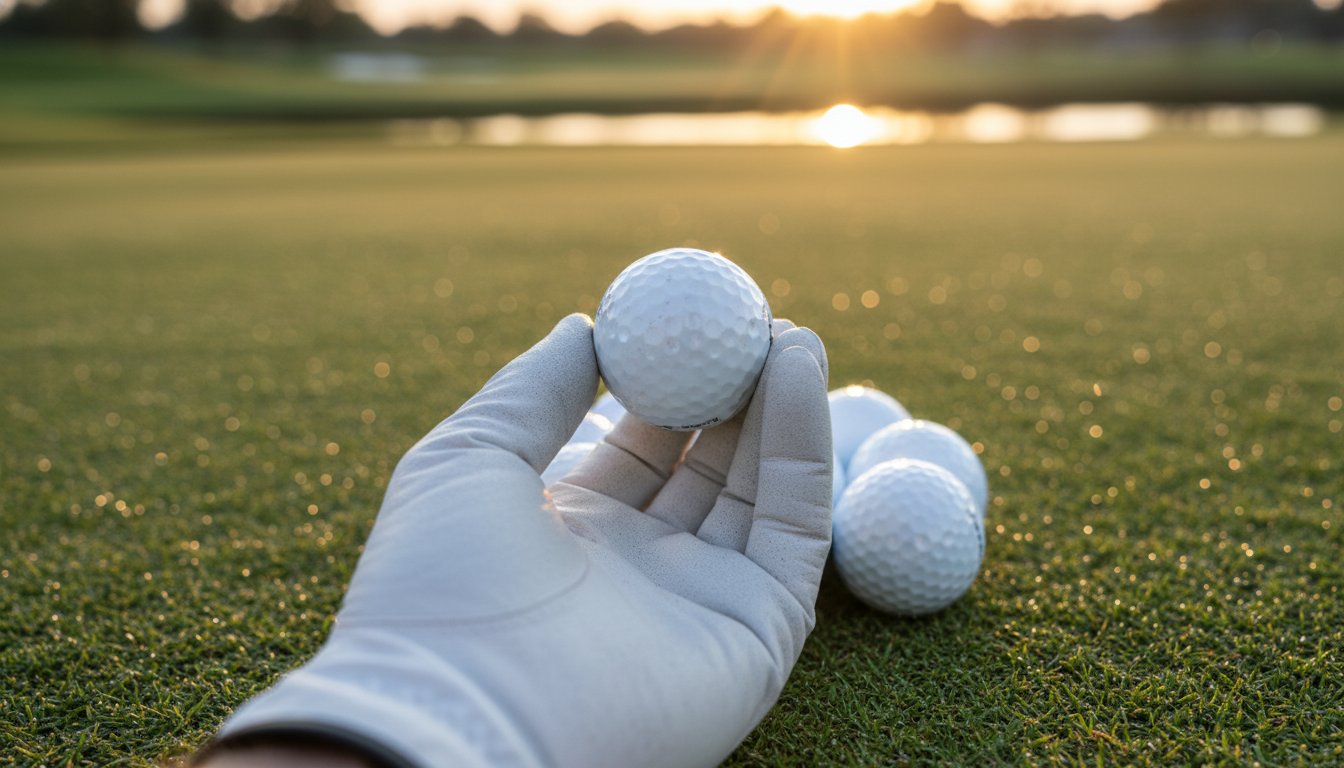
That shiny “refinished” golf ball in your hand isn’t a bargain. It’s a performance killer in disguise. Most players think they’re stuck paying retail prices because they don’t know how to check the quality of used golf balls without getting burned. You want the tour-level spin of a Titleist Pro V1 or a Bridgestone Tour B RX, but you don’t want to settle for water-logged duds. It’s a valid fear. Nobody wants to lose twenty yards of distance because of a hidden defect or a deceptive cover.
We’re here to turn you into a savvy insider. This guide reveals the exact 5-point inspection process the Monkey uses to separate tour-quality gems from pond-logged duds. You’ll discover which scuffs actually affect your flight path and why recycled balls are the smartest play for your wallet and the planet. We’ll break down the 5A versus 4A grading scales so you can buy in bulk with total confidence. It’s time to get your bag stocked with premium gear for a fraction of the retail cost.
Key Takeaways
- Master the 5-point inspection to verify performance in seconds. Learn how to check the quality of used golf balls using the visual gloss check and tactile scuff test.
- Avoid the “refinished” trap. Discover why recycled balls maintain original factory specs while repainted balls kill your spin and distance.
- Crack the code on grading scales from Mint 5A to Near Mint 4A. Know exactly when a 3A ball is the smart play for your practice session.
- Debunk the water-logging myth. Modern solid-core balls stay tour-ready for years if they are professionally retrieved and stored in climate-controlled environments.
- Stock your bag with premium Titleist and TaylorMade gear at a massive discount. Use our checklist to separate high-performance gems from worthless duds.
Why Quality Matters: More Than Just a Shiny Cover
Stop thinking about used balls as “second-hand” junk. Think of them as “pre-tested” performance tools. Quality in a used golf ball is about one thing. It is the retention of the original flight characteristics and spin rates. If a ball looks shiny but flies like a wounded duck, it’s a dud. You need to know how to check the quality of used golf balls to ensure you’re getting the performance you paid for. Every yard matters when you’re hunting for a birdie.
There is a massive difference between cosmetic wear and structural damage. A Sharpie mark from a previous owner doesn’t change your launch angle. A light logo from a corporate outing won’t make you slice. Those are just cosmetic quirks. But a deep cut that exposes the mantle is a disaster. Structural damage ruins the balance of the ball. It creates drag. It kills your distance. Learn to ignore the ink and focus on the integrity of the cover.
We live by the Monkey Rule. If it doesn’t fly like new, it isn’t Mint 5A. Professional retrieval beats “pond-hawking” every time. Professional divers find these gems and sort them immediately. They go straight into climate-controlled storage. A ball found in the woods has likely been baking in the sun for months. UV rays and temperature swings destroy the core. Professional sourcing ensures you get a ball that still has its “pop.”
The Performance Gap: New vs. High-Quality Used
Independent testing proves that top-tier recycled balls lose almost zero yardage. A Titleist Pro V1 in Mint 5A condition performs at 99% of its original capacity. For the average golfer, that 1% difference is impossible to feel. You get the same stopping power on the green. You get the same piercing trajectory. It’s the ultimate value-to-performance play for anyone who plays more than once a month.
The Three Pillars of Ball Integrity
To really understand the game, you have to respect the science of golf ball design. First, inspect the cover. Deep scratches change how air flows over the ball. Second, focus on core consistency. Compression is everything. If the core is compromised, your ball speed drops instantly. Third, watch the aerodynamics. Dimples are engineered to create lift. If they are worn down or clogged with dirt, your ball won’t hold its line. High-quality used balls keep these three pillars intact.
The DIY 5-Point Inspection: How to Spot a Dud in Seconds
You don’t need a lab to spot a winner. You just need five seconds and a sharp eye. Mastering how to check the quality of used golf balls at home is your best defense against bad inventory. It lets you verify the integrity of every ball before it ever touches your clubface. When you know how to check the quality of used golf balls properly, you can confidently skip the retail aisle. Use this systematic approach to ensure your bulk buy is actually tour-ready gear.
- Step 1: The Visual Gloss Check. Hold the ball under a bright light. Look for that signature factory shine. If the finish looks dull or chalky, the clear coat is gone. That means more drag and less distance on your drives.
- Step 2: The Tactile Scuff Test. Run your thumb over the dimples. Your skin picks up texture changes that your eyes might miss. If you feel a rough hitch or a jagged edge, the aerodynamics are compromised.
- Step 3: The Discoloration Audit. Watch for yellowing or tanning. This isn’t just a surface stain. It often signals prolonged UV exposure. Sun-baked balls become brittle and lose their elastic snap.
- Step 4: The Logo and Ink Analysis. Separate player marks from factory stamps. A Sharpie dot is fine. But if the factory logo looks blurry or thick, you might be holding a repainted refinished ball.
- Step 5: The Click Test. Drop the ball from waist height onto concrete. Listen to the bounce. You want a sharp, high-pitched ping that matches a fresh ball.
The Sun Check for Cover Uniformity
Step outside for the best results. Natural sunlight reveals flaws that indoor LEDs simply hide. Rotate the ball slowly to find hairline cracks in the urethane. These tiny fractures are a major deal. The USGA rules on damaged golf balls state that a ball is unfit for play if it is significantly cut or cracked. Watch for matte spots on a shiny surface. These often indicate chemical damage from fertilizers. If you see burn marks from a cart path strike, move that ball to the shag bag immediately.
The Click Test: Listening for Core Health
The sound of a golf ball tells its whole life story. A healthy core produces a crisp, resonant snap when it hits a hard surface. If you hear a muffled thud instead of a ping, the internal integrity is gone. A dead sound often indicates significant internal stress or water saturation. Before you head to the first tee, grab a handful of our recycled golf balls and perform this test. You’ll hear the difference that professional retrieval and climate-controlled storage make for your game.
Scuffs, Stains, and Submarines: The Science of Ball Degradation
Let’s get one thing straight. A ball that spent the night in a pond isn’t a lost cause. Modern solid-core tech has changed the game. Unlike the old-school wound balls of the 90s, today’s multi-layer balls are built like tanks. They are highly resistant to moisture. If you want to know how to check the quality of used golf balls, you have to look past the “water-logged” scare tactics used by big retail to keep you buying expensive new boxes. Most premium balls can survive a dip without losing a single yard of carry.
The real enemy isn’t always the water. It’s the sun. A ball baking in the tall grass under the July sun is often in much worse shape than one sitting at the bottom of a cool lake. UV radiation and extreme heat cycles break down the polymer chains in the cover. This is a core part of the science of ball degradation. A sun-damaged ball loses its elasticity. It becomes brittle. It won’t compress correctly off the face of your driver. You’ll feel that “dead” sensation on impact, and your distance will suffer.
Why We Never Sell Refurbished Balls
Refurbished balls are the biggest trap in the industry. Period. They are essentially “zombie balls.” Companies take a beat-up, low-grade ball, sandblast the cover, and spray on a new layer of paint. This ruins the aerodynamics. It fills in the dimples. It makes the ball heavier and off-balance. Chemical stripping during this process can also weaken the bond between the cover and the mantle. Knowing how to check the quality of used golf balls means identifying these refinished duds before they hit your bag. Look for “fuzzy” alignment lines or paint that looks too thick. For a deeper dive into why these are a waste of money, check out our guide on Recycled vs Used Golf Balls: What’s the Diff?. We only sell recycled gear because we value your score more than a fake shine.
The Myth of the 24-Hour Pond Death
Professional retrieval makes all the difference. Our divers aren’t casual “pond-hawkers” grabbing balls on the weekend. They are pros who clear out water hazards regularly. This ensures balls aren’t sitting for years under deep-pressure saturation. There is a huge difference between a ball in a shallow, moving creek and one at the bottom of a 30-foot lake for a decade. Once retrieved, they undergo professional cleaning. This is far more effective than tossing them in your dishwasher at home. High-heat dishwashers can actually warp the cover and damage the core. We use specialized, non-corrosive processes to restore the factory luster without touching the core integrity.
Decoding the Grading Scale: From Mint 5A to Shag Bag
Don’t get lost in the alphabet soup of online listings. If you’re staring at 5A and 4A labels, you need a clear map. Mastering how to check the quality of used golf balls starts with understanding the industry grading scale. It’s the only way to ensure you’re getting the performance required for your specific swing. This isn’t just about looks. It’s about how that ball reacts when it leaves your clubface at 100 miles per hour.
- Mint 5A (AAAAA): These are the gems. They’re the “New in Box” equivalent. Expect maximum factory gloss and zero scuffs. These balls were likely hit once and lost, or pulled from a fresh sleeve and never played.
- Near Mint 4A (AAAA): These have minor cosmetic flaws. You might find a small player mark or a slight loss of luster. They’re perfect for competitive weekend rounds where performance is non-negotiable but retail prices are a joke.
- Good 3A (AAA): You’ll see visible scuffs or slight discoloration here. They are the ultimate value play for high-handicappers. If you’re prone to losing a few balls per round, these keep your wallet heavy and your game moving.
- Practice/Shag Grade: The “Monkey’s Choice” for the driving range or backyard. These have seen some serious action. They’re built for volume, not for your career-best round.
Which Grade Matches Your Game?
Match the ball to your intent. For tournament play, stick to Mint 5A or 4A. High swing speeds demand cover perfection. A scuff on a 3A ball can cause unpredictable spin rates if you’re ripping it off the tee. For casual rounds with your buddies, 3A balls provide the best ROI. You get premium tech without the stress of a lost ball. If you’re just learning the game, Practice golf balls are your best friend. They let you focus on making contact without worrying about the cost of a slice into the woods.
Grade Cannibalization: When 4A is Better Than 5A
Here is a savvy insider secret. Brand quality often beats cosmetic grading. A 4A Titleist Pro V1 or TaylorMade TP5 is almost always a better performer than a 5A ball from a budget brand. The core technology in tour-level balls is simply more resilient. When you shop, prioritize the ball model that fits your swing speed first. Then, choose the highest grade your budget allows. For a full breakdown of our sorting process, read our guide on Decoding Grades: What Mint 5A Really Means. Stop overpaying for the box and start playing for the score.
Ready to stock up on tour-level gear for a fraction of the price? Shop our Mint 5A collection now and see why savvy players never buy retail.
The Pro Play: Why Professional Retrieval Beats Pond Hunting
Don’t trust a guy with a rusty bucket in a parking lot. Professional retrieval is a completely different league than casual “pond-hawking.” While you now know exactly how to check the quality of used golf balls, buying from a specialist means the heavy lifting is already done for you. Professional divers treat water hazards like a harvest. They use high-end equipment to recover inventory quickly and efficiently. This isn’t just about finding the ball. It’s about the science of what happens the moment it leaves the water.
Consistency is the biggest weakness of random eBay sellers. You might get lucky once, but the next batch could be a mix of sun-damaged duds and refinished junk. We solve that by using immediate sorting and climate-controlled storage. Our balls don’t sit in a damp trunk or a hot garage for weeks. They are moved straight to our facility to preserve the core integrity we discussed earlier. This professional chain of custody ensures that every Mint 5A ball you buy performs exactly like the one before it.
There is also a massive environmental win here. Research shows that roughly 300 million golf balls are lost in the U.S. every year. These balls can take up to 1,000 years to decompose, slowly releasing microplastics into our waterways. When you choose recycled gear, you are keeping millions of tons of plastic out of nature. It is the intelligent play for your wallet and the planet. You get tour-level performance while being a steward of the courses we love.
The Journey of a Golf Ball Monkey Pro V1
Our process is rigorous. It starts with our professional dive teams clearing hazards with surgical precision. From the water, the balls move to our specialized cleaning facility. We don’t use harsh chemicals that strip the cover. Instead, we use a proprietary, non-corrosive process to restore the factory shine. Every ball then goes through a triple-checked grading process. If it shows even a hint of structural wear, it’s kicked out of the 5A bin. Our Texas-based quality control standard is the toughest in the industry. If it isn’t perfect, it isn’t a Monkey ball.
Ready to Restock Your Bag?
Stop paying the “new box tax.” You can save up to 70% off retail prices without sacrificing a single yard of distance or a bit of greenside spin. If you’re still on the fence, try a mixed bag to see how our different tiers perform for your specific swing. You’ll quickly realize that the only difference between our balls and the ones in the pro shop is the price tag. It’s time to play the smart way. Grab a bucket of Mint 5A Titleist Pro V1s right here and start dominating your local track.
Play Smarter, Save Bigger, and Protect the Game
You’re officially an insider. You’ve mastered the visual gloss check, the tactile scuff test, and the science of core integrity. Knowing how to check the quality of used golf balls means you’ll never be fooled by a thick coat of “refinished” paint again. You understand that a Mint 5A ball is the gold standard for performance. It’s about playing the tour-level tech you love without the retail headache. Stop overpaying for the logo on a box and start focusing on the spin on your wedge shots.
We make it easy to stock your bag with total confidence. Our inventory is professionally retrieved by divers and vetted through a strict 5-tier grading system. We recycle millions of balls annually to keep the fairways green and your wallet full. It’s the intelligent play for every golfer who values performance over fancy cardboard packaging. Join the community of savvy players who dominate the course for a fraction of the cost.
Shop Mint 5A Used Golf Balls & Save 70% and get back to the game you love. See you on the first tee.
Frequently Asked Questions
Do used golf balls lose distance compared to new ones?
High-quality recycled balls lose virtually zero distance. Independent testing proves that Mint 5A balls perform at 99% of their original capacity. You get the same piercing trajectory and ball speed without the retail markup. Most amateur players won’t ever notice the 1% difference in carry during a round.
What is the difference between recycled and refurbished golf balls?
Recycled balls are simply cleaned and sorted into grading tiers. Refurbished balls are sandblasted and repainted to hide defects. This refinishing process ruins the dimple aerodynamics and weight balance. Stick to recycled gear to ensure you are playing a ball that meets original factory specifications.
Can I tell if a golf ball has water damage just by looking at it?
You can’t always see internal damage. Look for a chalky finish or yellow “tanning” on the cover as these are red flags for environmental stress. If you’re learning how to check the quality of used golf balls, use the Click Test to listen for a muffled “thud” instead of a crisp “ping.”
Is it okay to play with a scuffed golf ball?
Minor cosmetic marks are perfectly fine for your weekend round. However, if a scuff is deep enough to change the dimple shape, it will create unpredictable drag. This causes the ball to slice or hook more than usual. Save the heavily scuffed balls for your backyard practice sessions.
How long can a golf ball stay in the water before it is ruined?
Modern solid-core balls can survive for years in a pond without losing performance. Older wound balls were ruined in about 12 hours, but today’s multi-layer tech is built to resist moisture. Professional retrieval ensures you get inventory that hasn’t sat long enough to suffer from deep-pressure saturation.
What does 5A / AAAAA mean in golf ball grading?
This is the highest “Mint” grade available in the used market. These balls look and feel like they were pulled straight from a new box. You won’t find player marks, scuffs, or loss of gloss. It is the gold standard for players who want like-new performance for a fraction of the cost.
Are used Titleist Pro V1s as good as new ones?
Mint 5A Titleist Pro V1s are virtually indistinguishable from new ones in performance tests. You get the same high-spin greenside control and explosive distance off the tee. It’s the smartest way to play the world’s #1 ball while saving up to 70% off retail prices.
How should I clean my used golf balls at home?
Use a bucket of warm water mixed with mild dish soap. Scrub the covers with a soft-bristled brush to remove dirt from the dimples without scratching the finish. Never put your balls in the dishwasher. The intense heat cycles can warp the cover or compromise the core’s compression.
- golfballmonkey@gmail.com
- (512) 593-8401
- Mon – Fri, 9:00 AM – 5:00 PM

All product and company names are trademarks™ or registered® trademarks of their respective holders.
Use of them does not imply any affiliation with or endorsement by them.